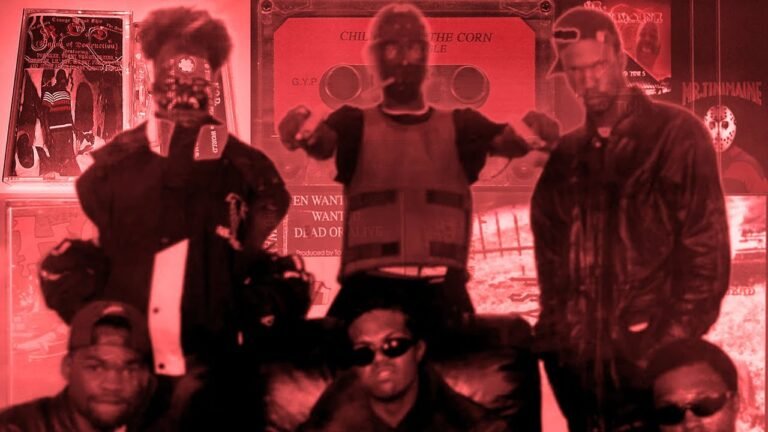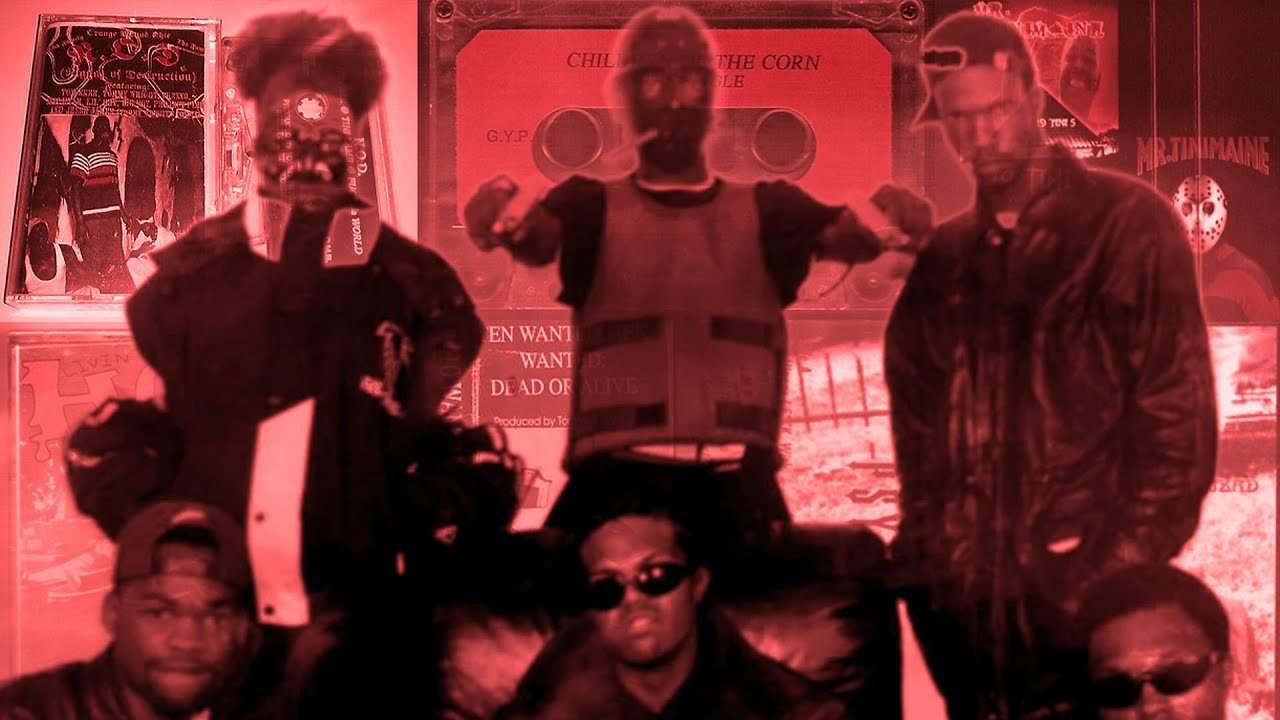
Why Being Offensive Was the Point, Not a Side Effect
Before algorithms, brand deals, and carefully curated “controversy,” Memphis rap was already loud, disturbing, and completely uninterested in approval. Shock value wasn’t a gimmick. It was survival. Early Memphis artists weren’t trying to scare suburban parents. They were documenting a reality that already felt hostile, dark, and unfiltered.
And nobody leaned into that harder or smarter than the Memphis underground scene that birthed groups like Three 6 Mafia.
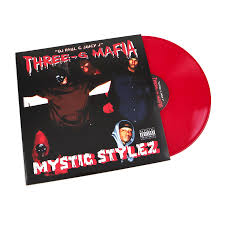
Memphis Was Never Meant to Sound Polite
Early 90s Memphis rap didn’t have industry infrastructure. No major label safety net. No radio support. No PR teams softening the edges. What it did have was poverty, violence, paranoia, and a city that didn’t care if outsiders were comfortable.
So the music reflected that.
The lyrics were extreme because the environment was extreme. Murder talk, satanic imagery, explicit sex, drug references, and nihilistic humor weren’t shock for clicks. They were shock because that’s what reality felt like to the people making the music.
If it made you uncomfortable, that was kind of the point.
Shock Value as a Marketing Strategy Before Marketing Existed
Memphis artists had one problem. Nobody was checking for them.
So they used shock value as a megaphone.
Outrage made people listen. Rumors made tapes travel. Controversy created mystique.
When someone heard a Three 6 Mafia tape was “evil,” “too graphic,” or “banned,” curiosity did the rest. Word-of-mouth became distribution. Shock became branding without anyone calling it that.
You didn’t stumble onto Memphis rap. You were warned about it first.
Horrorcore Elements Were a Feature, Not a Costume
Early Memphis rap is often lumped into “horrorcore,” but that label misses the point. This wasn’t cosplay horror. It was street paranoia exaggerated into mythology.
Dark chants, eerie beats, repetitive phrases, and violent imagery created a sound that felt unsettling on purpose. The music wasn’t asking to be played casually. It demanded attention.
Shock value helped turn:
Fear into identity Taboo into power Outsider status into a badge of honor
Memphis rappers weren’t trying to cross over. They were daring you to come closer.
Why Shock Worked Better Than Lyricism Alone
Plenty of rappers could rap well. Not everyone could make you feel uneasy.
Shock value cut through noise. A graphic hook sticks faster than a clever metaphor. A disturbing chant lingers longer than a punchline. Memphis artists understood that emotional reaction mattered more than lyrical approval.
You might not like what you heard. But you remembered it.
That’s influence.
The Industry Eventually Caught Up
Years later, the same industry that ignored Memphis adopted its tactics. Shock-based marketing, controversial lyrics, dark aesthetics, and viral outrage are now standard playbooks.
Artists today still rely on:
Provocative hooks Repetition Aggressive imagery Online controversy
The difference is Memphis did it without social media, playlists, or major budgets. Shock value wasn’t amplified by platforms. It was the platform.
Shock Value Was the Door, Not the Destination
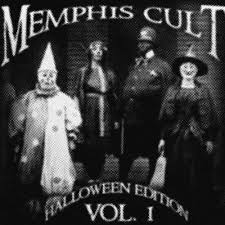
Early Memphis rap used shock to open doors, not to stay stuck in them. Once people listened, they discovered:
Innovative production New vocal styles Regional slang and cadence A blueprint for modern trap and chant rap
What started as “too much” eventually became foundational.
Memphis didn’t ask to be understood.
It forced itself to be heard.
And that’s why its influence still echoes every time a controversial song goes viral and everyone pretends this is somehow new.
About the Author