The Architect of Memphis Rap and Three 6 Mafia
Juicy J is one of the most influential figures in Southern hip hop, a pioneer whose fingerprints are all over Memphis rap, crunk, trap, and modern Southern production. Best known as a founding member of Three 6 Mafia, Juicy J helped shape one of the darkest, rawest, and most influential sounds in hip hop history while later reinventing himself as a mainstream hitmaker without ever losing credibility.
Early Life and Memphis Roots
Juicy J was born Jordan Michael Houston III on April 5, 1975, in Memphis, Tennessee. Raised in North Memphis, he grew up immersed in the city’s underground rap scene, where cassette tapes, lo-fi production, and gritty street stories ruled. Memphis rap in the early 1990s was dark, aggressive, and unapologetic, and Juicy J was right in the middle of it.
Before fame, Juicy J studied business and music, a detail that matters later when everyone wonders how he stayed relevant while others faded out.
Formation of Three 6 Mafia
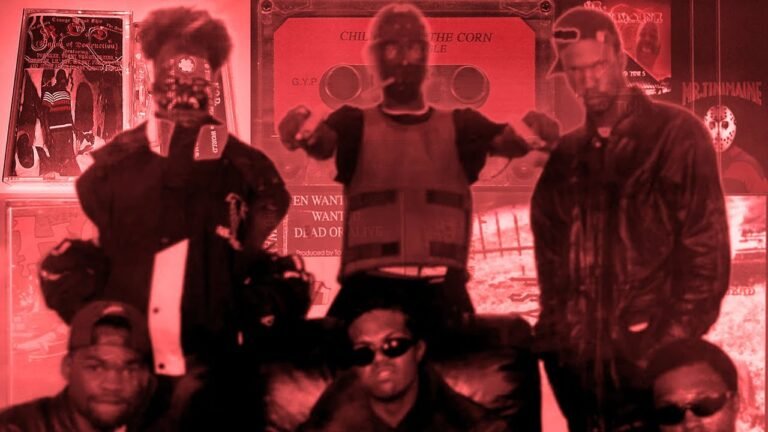
In the early 1990s, Juicy J teamed up with DJ Paul, Lord Infamous, and later Crunchy Black, Koopsta Knicca, and Gangsta Boo to form Three 6 Mafia. Originally operating under names like Backyard Posse and Triple Six Mafia, the group became notorious for horrorcore themes, occult imagery, and hard-hitting Memphis production.
Juicy J played a crucial role as both rapper and producer, helping craft the hypnotic, bass-heavy sound that defined albums like:
- Mystic Stylez (1995)
- Chapter 2: World Domination (1997)
- When the Smoke Clears: Sixty 6, Sixty 1 (2000)
These projects laid the foundation for modern trap music long before the term was mainstream.
Oscar Win and Mainstream Breakthrough
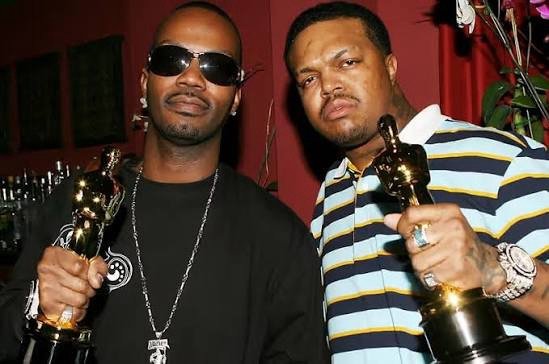
In 2006, Juicy J and Three 6 Mafia made history by winning an Academy Award for Best Original Song for “It’s Hard out Here for a Pimp” from Hustle & Flow. This moment marked the first Oscar win for a hip hop group, putting Memphis rap on a global stage.
While some artists slow down after reaching that level, Juicy J did the opposite.
Solo Career and Reinvention
Juicy J successfully transitioned into a solo career in the 2010s, aligning himself with a new generation of artists while staying true to his Memphis roots. He signed with Taylor Gang Records, becoming a close collaborator of Wiz Khalifa, and dropped solo projects that dominated clubs and radio.
Key solo albums include:
- Stay Trippy (2013)
- Rubba Band Business (2017)
- The Hustle Continues (2020)
Hits like “Bandz a Make Her Dance,” “Bounce It,” and “Show Out” turned Juicy J into a cross-generational star, proving that longevity in hip hop is possible if you actually adapt.
Influence on Hip Hop and Trap Music
Juicy J’s influence goes far beyond chart placements. His production style, ad-libs, chant-heavy hooks, and dark Southern beats heavily influenced:
- Trap music
- Crunk
- Phonk
- Modern Southern hip hop
Artists like Travis Scott, A$AP Rocky, Megan Thee Stallion, and Project Pat have all drawn inspiration from Juicy J’s sound and energy. His ability to bridge underground Memphis rap with mainstream success is rare and largely unmatched.
Business Mindset and Legacy
Juicy J is often praised for his business acumen, from publishing deals to artist partnerships. He’s known for openly discussing financial literacy, ownership, and long-term planning, something not always associated with rap legends from the 1990s.
Decades into his career, Juicy J remains active, respected, and relevant, a rare feat in hip hop.
Juicy J’s Place in Three 6 Mafia History
As a core member of Three 6 Mafia, Juicy J helped create a blueprint that still echoes through today’s rap landscape. Without Juicy J, there is no Three 6 Mafia as the world knows it, and without Three 6 Mafia, modern trap music looks very different.
Juicy J isn’t just a rapper from Memphis. He’s a cornerstone of Southern hip hop culture.