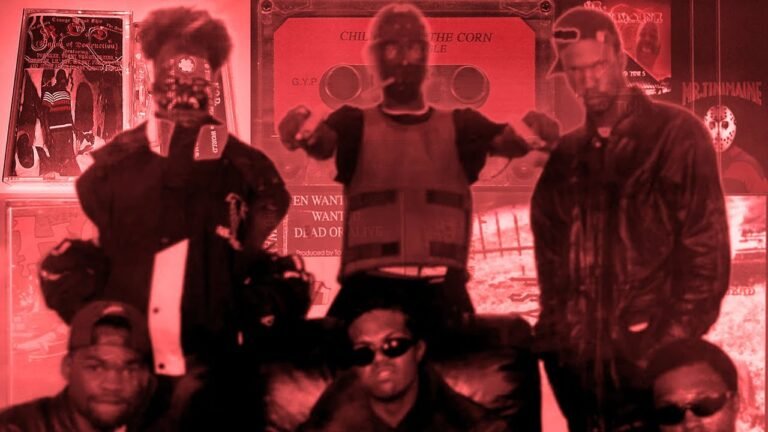
When people talk about Memphis rap history, the conversation usually jumps straight to Three 6 Mafia. Fair. They earned that spot. But underneath the mainstream success was a deep underground scene packed with raw collectives that helped build the sound brick by brick. One of those groups was Gimisum Family, a lesser-known but influential Memphis rap collective that embodied the city’s darkest, most unfiltered era.
Who Was Gimisum Family?
Gimisum Family was a Memphis-based rap group active primarily in the mid to late 1990s, during the golden age of the city’s underground tape movement. Like many Memphis crews at the time, Gimisum Family wasn’t structured like a traditional rap group with a clean lineup and commercial strategy. It functioned more as a street-oriented collective, with multiple members contributing to tracks and releases.

Their name alone reflected the mindset of the era. Survival, hustle, and getting money were central themes, and the music never tried to soften that reality. Gimisum Family wasn’t chasing radio spins or label deals. Their music was created for the streets and circulated through cassette tapes sold locally, shared hand-to-hand, and played loud in cars throughout Memphis neighborhoods.
The Gimisum Family Sound
Sonically, Gimisum Family fit perfectly into the classic Memphis rap blueprint. Dark, low-budget production. Heavy basslines. Simple but eerie melodies. Looped samples that created a hypnotic, almost unsettling atmosphere. The beats weren’t polished, and that was the point.
Lyrically, the group focused on street life, violence, hustling, paranoia, and day-to-day survival in Memphis. The delivery was often cold, detached, and aggressive, which made the subject matter hit even harder. This raw approach later became a major influence on underground rap subgenres like horrorcore, phonk, and modern trap.
Albums, Tapes, and Underground Releases
Like many Memphis underground artists from the 90s, Gimisum Family’s discography isn’t neatly documented. Most of their music was released independently on cassette tapes rather than mass-produced CDs. These tapes were sold in local record shops, out of car trunks, or passed around through personal connections.
Because of that, much of their catalog survived through collectors and digital re-uploads rather than official reissues. Even so, their music continues to circulate today, especially among fans who dig into Memphis rap archives and underground history.
Influence on Memphis Rap Culture
Gimisum Family helped reinforce the gritty, no-frills identity that Memphis rap became known for. Their music showed that authenticity mattered more than studio quality. You didn’t need expensive equipment or industry backing to make something impactful. You just needed real stories and a sound that matched the environment.
This mindset influenced not only Memphis artists but also underground scenes across the country. The slow tempos, dark moods, and stripped-down beats that defined Gimisum Family’s music can still be heard in modern underground hip-hop today.
Sampling and Lasting Legacy
One of the biggest ways Gimisum Family’s influence lives on is through sampling. Memphis rap from the 1990s has become a goldmine for modern producers, especially in phonk and underground trap. Old Memphis tapes are constantly being sampled, chopped, and reimagined.
While Gimisum Family may not always be credited directly, their sound, vocal tones, and production style are embedded in this sampling culture. Their music continues to inspire new generations who are drawn to the raw, ominous energy of classic Memphis rap.
Connections to Three 6 Mafia
Gimisum Family existed in the same underground ecosystem as Three 6 Mafia, operating during the same era and drawing from the same Memphis streets. While they were not official members of Three 6 Mafia or part of Hypnotize Minds, they shared similar influences, production styles, and audiences.
Three 6 Mafia eventually broke into the mainstream, but their early sound was shaped by the same underground culture that groups like Gimisum Family helped create. In that sense, Gimisum Family represents the raw, unfiltered side of Memphis rap that existed alongside Three 6 Mafia’s rise.
Why Gimisum Family Still Deserves Recognition
Gimisum Family may not have charted or won awards, but their importance lies in their contribution to the foundation of Memphis rap. They represent the era when the city’s sound was being built from the ground up, long before mainstream recognition arrived.
For anyone serious about Memphis rap history, Gimisum Family is a reminder that the culture wasn’t carried by one group alone. It was shaped by dozens of underground collectives, raw tapes, and street-level artists who made music that was honest, dark, and unapologetically Memphis.
About the Author