The Leaders of Beats
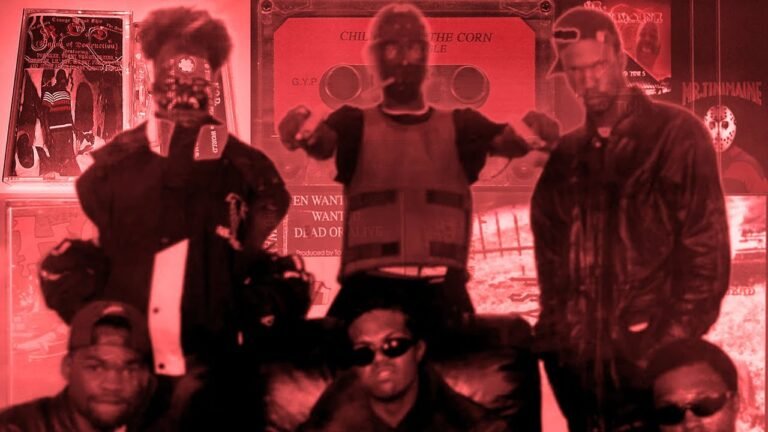
When it comes to Memphis hip hop, few debates are as lasting as DJ Paul versus Juicy J. As co founders of Three 6 Mafia, both helped shape not only the group’s sound but the entire Memphis rap identity. Their production styles, philosophies, and hit records overlap in history but differ greatly in execution. Deciding who is the better producer depends on whether you value atmosphere and influence or bounce and mainstream impact.
The Memphis Blueprint
Before national recognition, Memphis rap lived in the underground. It was gritty, eerie, and unapologetically raw. DJ Paul and Juicy J refined that sound into something darker and more structured, built around haunting samples, heavy bass, hypnotic loops, and aggressive drums. Their work laid the groundwork for horrorcore and directly influenced modern trap music long before the genre had a name.
DJ Paul’s Production Style

DJ Paul’s sound is built on mood. His beats feel cinematic and ominous, often using minor key melodies, distorted samples, and slow burning rhythms that create tension. Paul focuses on atmosphere first, making tracks that feel like they belong to a late night street scene or a horror movie soundtrack.
His production rarely chases trends. Instead, it creates a world for the artist to exist in. That is why many of his beats still feel relevant decades later.
Notable productions include Tear Da Club Up 97, Slob On My Knob, Chicken Head for Project Pat, and Stay Fly with Juicy J. These tracks are minimal yet powerful, relying on repetition and dark energy rather than flashy melodies. DJ Paul’s influence can be heard today in underground trap, horrorcore, and even mainstream producers who borrow his eerie textures.
Juicy J’s Production Style

Juicy J approaches production with movement in mind. His beats are designed to make crowds react. While still rooted in Memphis darkness, Juicy leans more toward bounce, rhythm, and catchy repetition. His drums hit harder and cleaner, and his melodies are simpler but more infectious.
Juicy understands how to make underground sounds accessible without watering them down. That skill allowed him to transition into mainstream success while staying true to his roots.
Key productions include Sippin’ on Some Syrup, Bandz A Make Her Dance, Shell Shocked, and numerous Three 6 Mafia anthems. His beats dominate clubs because they are structured around energy and momentum. Juicy’s production is less about atmosphere and more about impact.
Influence vs Hits
DJ Paul is the architect. His production helped define the Memphis sound and influenced an entire generation of producers who value mood and darkness. His work feels foundational, like the blueprint others built on.
Juicy J is the amplifier. He took that blueprint and proved it could succeed at a mainstream level. His production has more chart success and wider cultural reach, especially in the modern trap era.
Paul’s beats are studied.
Juicy’s beats are played.
Technical Comparison

DJ Paul excels at layering sounds, crafting eerie loops, and building tension. His beats feel intentional and thematic. Juicy J excels at rhythm, drum programming, and making beats that translate instantly to clubs and festivals. Paul creates worlds. Juicy creates reactions.
Who Is the Better Producer?
If the question is about influence, originality, and shaping a genre, DJ Paul has the edge. His sound defined Memphis rap and still echoes through modern trap and underground hip hop.
If the question is about hit records, mainstream longevity, and crowd control, Juicy J wins. His production helped push Memphis sound into the global spotlight.
The truth is that Three 6 Mafia needed both. DJ Paul gave the sound its darkness and identity. Juicy J gave it movement and mass appeal. Separating them proves how different their strengths really are, but together they created one of the most influential production legacies in hip hop history.
About the Author