Play Me Some Pimpin’ Mane
Before streaming. Before trap went corporate. Before everybody had a Pro Tools template.
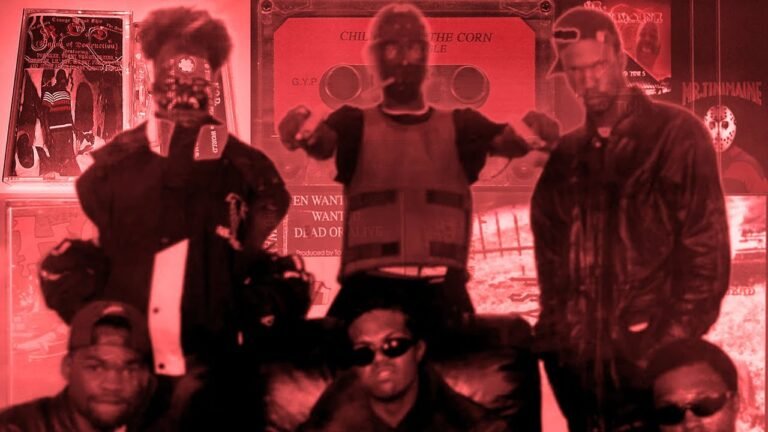
Memphis rap was being recorded in bedrooms, in makeshift studios, on four tracks and cassette decks. And a huge chunk of the energy, slang, and identity came straight from the pimp game.
What the Pimp Culture Really Was in 80s and 90s Memphis
In the 1980s and early 1990s, Memphis was raw. High crime. Heavy poverty. Limited opportunity. The drug economy was booming. So was prostitution.
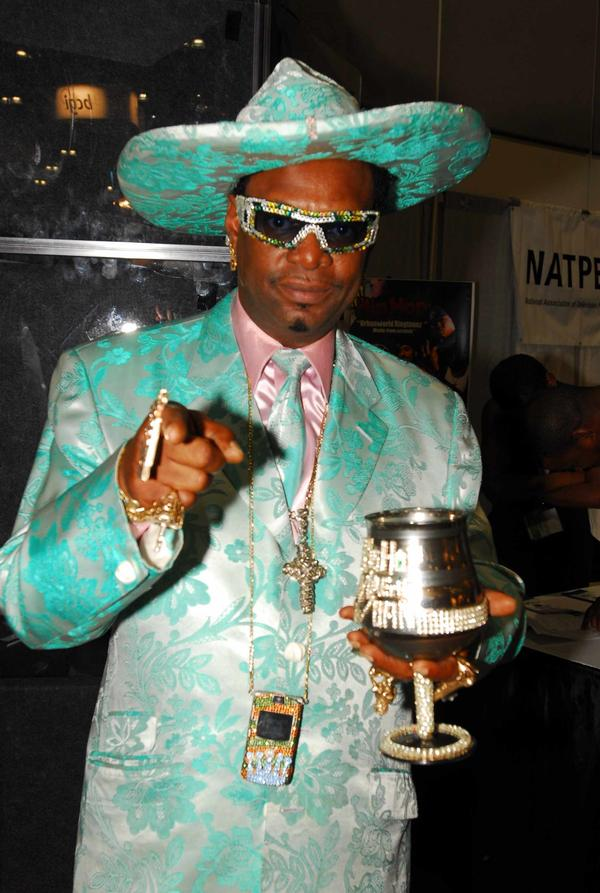
Lamar Avenue. Airways. South Parkway. The Blade in certain areas. These were not myths. They were part of everyday life.
Pimping in Memphis was not just some flashy fur coat fantasy. It was structure. Hierarchy. Codes. Language. Presentation. Psychological warfare. And control.
That mentality bled directly into the music.
Memphis rappers did not just rap about pimping because it sounded cool. Many of them were around it, related to it, influenced by it, or surviving in the same streets where it thrived.
The Pimp Persona in Early Memphis Lyrics
Memphis rap adopted the pimp as a character archetype early on. The voice was cold, calculated, dominant.
Look at artists like:
- DJ Spanish Fly
- Kingpin Skinny Pimp
- Gangsta Blac
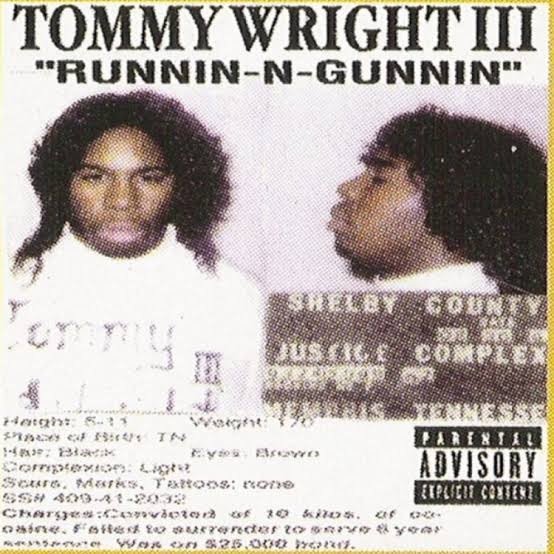
- Tommy Wright III
- Project Pat
The themes were consistent:
- Women as commodities
- Emotional detachment
- Money over everything
- Street hierarchy
- Manipulation as survival
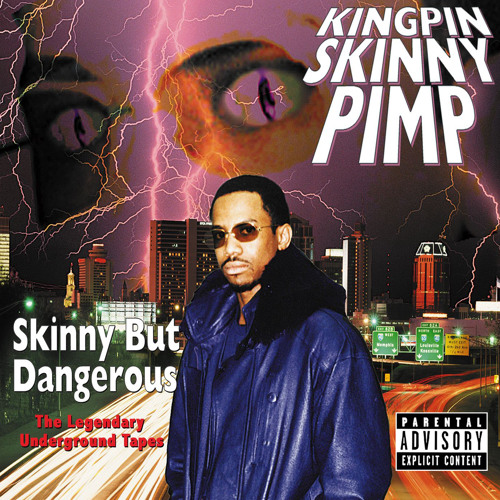
Take Skinny But Dangerous by Kingpin Skinny Pimp. The entire identity revolves around dominance and calculated street presence.
Listen to early Project Pat tapes before mainstream exposure. Tracks like Gorilla Pimp are not subtle. The title alone tells you the energy.
This wasn’t radio rap. It was street documentation.
Pimping and the Memphis Sound
Now let’s talk production.
The pimp influence was not just lyrical. It shaped the sound.
Early Memphis beats were:
- Slow
- Dark
- Minimal
- Hypnotic
- Repetitive
That slow tempo mirrored the laid back but dangerous demeanor associated with pimps. The music felt like cruising through the city at night.
Producers like:
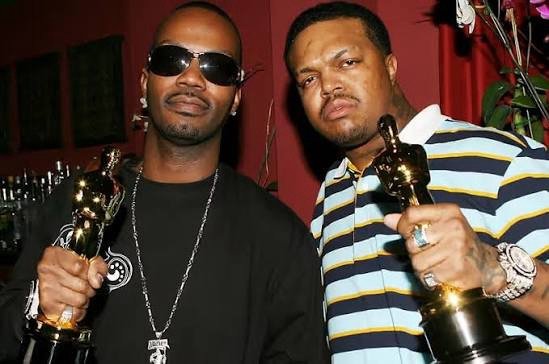
- DJ Paul
- Juicy J
built soundscapes that felt sinister and controlled. Heavy 808s. Murky synth lines. Chant style hooks. Repetitive mantras.
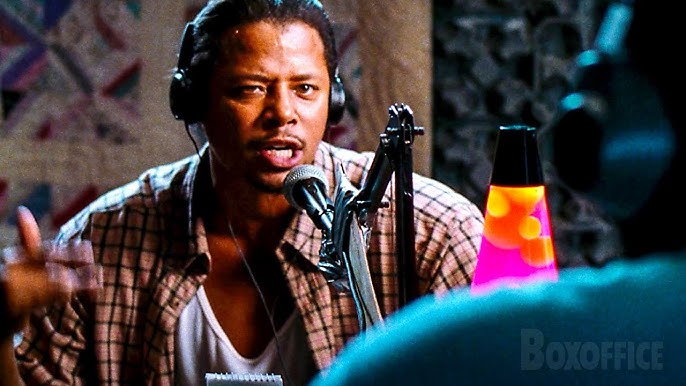
Listen to early Three 6 Mafia underground tapes or Mystic Stylez. Even when the subject matter shifts toward horrorcore, the underlying energy still carries that cold pimp mentality.
Detached. Ruthless. No apologies.
The Language of Pimping in Memphis Rap
Pimp slang became Memphis rap slang.
Terms like:
- Choosing
- Breaking a trick
- Blade
- Stable
- Maneuvering
- Out here
This language wasn’t theoretical. It was street vocabulary.
Project Pat especially carried the storytelling side of it into the mainstream with albums like Mista Don’t Play: Everythangs Workin, which later influenced Southern rap outside Memphis.
Even when artists weren’t literally pimping, they adopted the mindset. Emotional detachment became a survival tactic in both street life and music.
The 80s Tape Era: Where It Started
Before Three 6 blew up nationally, there were DJ tapes.
DJ Spanish Fly in the mid to late 80s was putting out raw street mixes that captured real Memphis culture. These tapes circulated hand to hand. Car trunks. Corner stores. Word of mouth.
That early environment normalized pimp narratives in rap. It wasn’t shock value. It was documentation.
By the early 90s, the sound got darker, more aggressive, and more stylized.
That is when:
- Three 6 Mafia
- Tommy Wright III
- Kingpin Skinny Pimp
started refining the aesthetic.
Influence Beyond Memphis
The pimp influence did not stay local.
You can hear its DNA in:
- Early Houston rap
- Atlanta trap
- Even modern drill’s cold delivery
The hyper confident, emotionally detached, money first persona became a staple of Southern rap.
When later artists glamorized “player” culture, a lot of that blueprint traces back to Memphis cassette tapes recorded in tiny rooms with cheap equipment and a lot of real life behind them.
The Reality Behind the Myth
It is important not to romanticize it.
Pimping in Memphis was tied to exploitation, violence, and survival in a city with limited opportunity. Early Memphis rap reflected that environment honestly. It was raw because the conditions were raw.
The music did not create the culture. It reported on it. That is why the sound still feels authentic decades later.
Why This Matters for Memphis Rap History
You cannot fully understand early Memphis rap without understanding the influence of pimp culture.
It shaped:
- The delivery
- The subject matter
- The slang
- The beats
- The persona
Memphis rap was not trying to be polished. It was trying to be real.
And whether people admit it or not, that cold, calculated, player energy helped define one of the most influential underground rap movements of all time.
Memphis did not invent pimp culture.
But Memphis rap documented it in a way that changed Southern hip hop forever.
Now go listen to an old tape and pay attention to the mindset, not just the bass.
About the Author