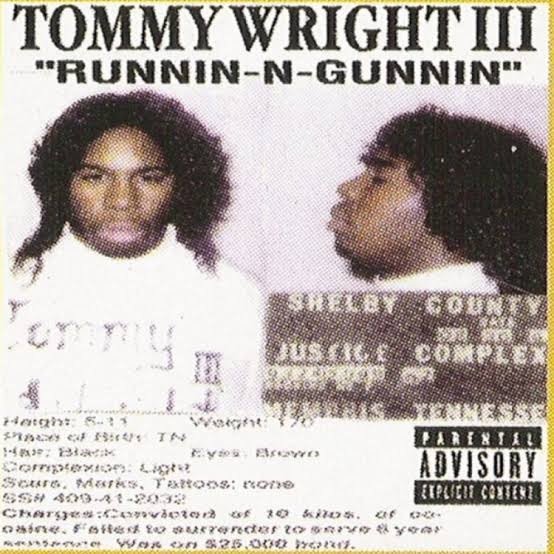
In the world of underground hip-hop, few figures loom as large and as quietly influential as Tommy Wright III. Long before the internet blew up lo-fi horrorcore, trap, and phonk, Wright was already grinding in the shadows of Memphis, Tennessee—creating music that was raw, unapologetic, and ahead of its time. His work not only shaped the gritty sound of Memphis rap in the 1990s but also laid foundations for future generations of artists who would later take his aesthetic and pioneer it globally.
Early Life and Origins
Tommy Wright III was born and raised in Memphis, Tennessee—a city with a deep musical heritage, from blues and soul to rock ’n’ roll. Growing up in a city marked by socio-economic struggle and street culture, Wright’s early life reflected the realities that would become the cornerstone of his artistic identity. Details about his childhood are sparse, but what is clear is that Memphis’s raw environment deeply shaped his worldview and approach to music.
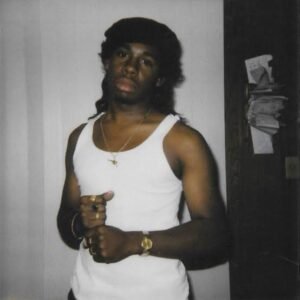
He began recording in the early 1990s, at a time when Southern hip-hop was still struggling to establish itself alongside the dominant New York and West Coast scenes. In Memphis, there wasn’t yet a thriving hip-hop infrastructure. Wright’s path was largely self-made, independent, and DIY—recording on cheap equipment, producing his own tracks, and distributing tapes through local networks and mom-and-pop shops.
Musical Style and Innovation
Tommy Wright III’s sound is instantly recognizable: grimy drum machines, lo-fi production, chilling samples, aggressive delivery, and unapologetically violent and street-centric lyrics. While early Southern rap often focused more on funk and party vibes, Wright’s music dove headfirst into what would later be categorized as horrorcore and hardcore rap.
What made Wright stand out:
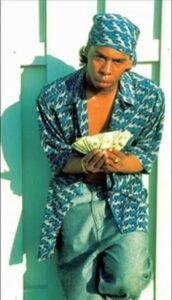
Minimalist Production Wright’s beats were basic on the surface—drum machines, simple loops—but they carried an eerie, haunting feel that matched his lyrical content perfectly. Raw Vocals and Unfiltered Delivery There was no gloss, no studio polish. His voice was raw and direct, often delivered with a monotone that made his lyrics hit harder. Thematic Grit Instead of escapism or braggadocio, Wright’s music dealt with survival, street life, violence, drugs, and the harsh realities of Memphis life. He wasn’t romanticizing anything. He was narrating it.
These elements were not widely popular at the time, but they created a distinct identity that resonated with listeners in Memphis and eventually, fans across the South and beyond.
Key Albums and Milestones
Though Wright never broke into the mainstream during his peak years, his discography is cult-cherished and includes several influential releases:
1. Runnin’ From tha Police (1992)
One of his earliest works—raw, unfiltered, and emblematic of his street narrative style.
2. Feel Me Before They Kill Me (1994)

This album encapsulated Wright’s vision: grim beats, stark imagery, and a brutally honest look at street life.
3. On the Run (1996)
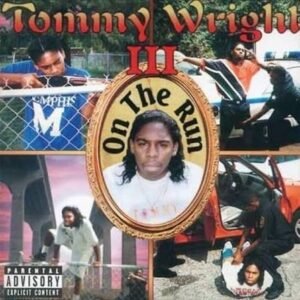
A more developed effort that further defined the Memphis underground sound while gaining a growing fan base through tape trading networks.
4. Heartbreaker (1997)
Often cited as one of his best, Heartbreaker pushed his sound further—combining emotion with the same uncompromising lyrical force.
These albums didn’t chart nationally, and there were no MTV rotations or major label budgets. Instead, Wright’s music spread through local distribution, word of mouth, and the underground tape circuit—a precursor to how independent music would later thrive online.
Impact on Memphis Rap and Hip-Hop Culture
Tommy Wright III’s influence is most noticeable in the way modern underground and internet-centric rap sounds today. He helped shape:
Phonk and Horrorcore Aesthetics
The eerie, lo-fi, sample-heavy style adopted by modern phonk producers sounds like an evolution of Wright’s early work. Producers on SoundCloud and TikTok pull from the same grim palette Wright helped pioneer.

DIY Independence
Wright recorded, produced, and distributed his music largely on his own terms. That blueprint has become a cornerstone of independent artists in the streaming era.
Influence on Memphis Legends
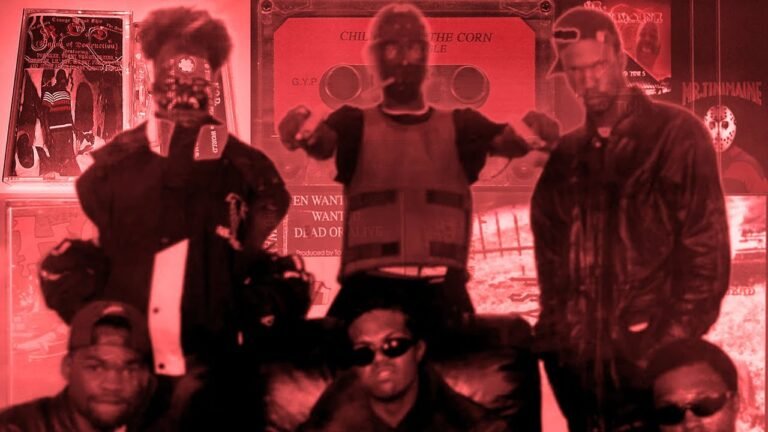
Artists who emerged in Memphis in the late ’90s and 2000s—like Three 6 Mafia—drew from the same atmosphere of darkness and relentless reality that Wright embraced. While Three 6 Mafia went on to mainstream success, Wright stayed rooted in the streets, embodying Memphis’s rawest creative impulses.
Cult Status and Resurgence
In the internet age, Wright’s music has been rediscovered by younger generations. Phonk producers and underground rap fans often cite his albums as foundational listening—music that existed decades before anyone named a genre for it.
Legacy and Continued Relevance

Tommy Wright III is not a household name. He never had platinum plaques or top-10 hits. But his work didn’t need industry validation to be important. It influenced the textures of modern underground rap, and it resonates with anyone looking for authenticity in a genre that too often trades realism for aesthetics.
His legacy lives on not through billboard stats, but through:
SoundCloud and phonk culture Memphis’s ongoing underground tradition Artists who value raw narrative over commercial gloss
Wright’s music isn’t polished. It isn’t pretty. But its impact is real, its fingerprints are everywhere in modern underground hip-hop, and his influence will continue to echo through artists who prefer substance over shine.
Conclusion
Tommy Wright III exists in hip-hop history not as a mainstream star, but as a pioneer whose influence was too ahead of its time to be recognized by the world when it mattered most. In the years since his early releases, the underground has finally caught up with his vision. Memphis rap, and the broader landscape of lo-fi, phonk, and horrorcore-tinged hip-hop, owes a debt to Wright’s uncompromising artistry.
His story is a reminder that influence isn’t always measured in chart positions or award shows. Sometimes it’s measured in the artists who come after you—taking what you started and pushing it into the future.
About the Author